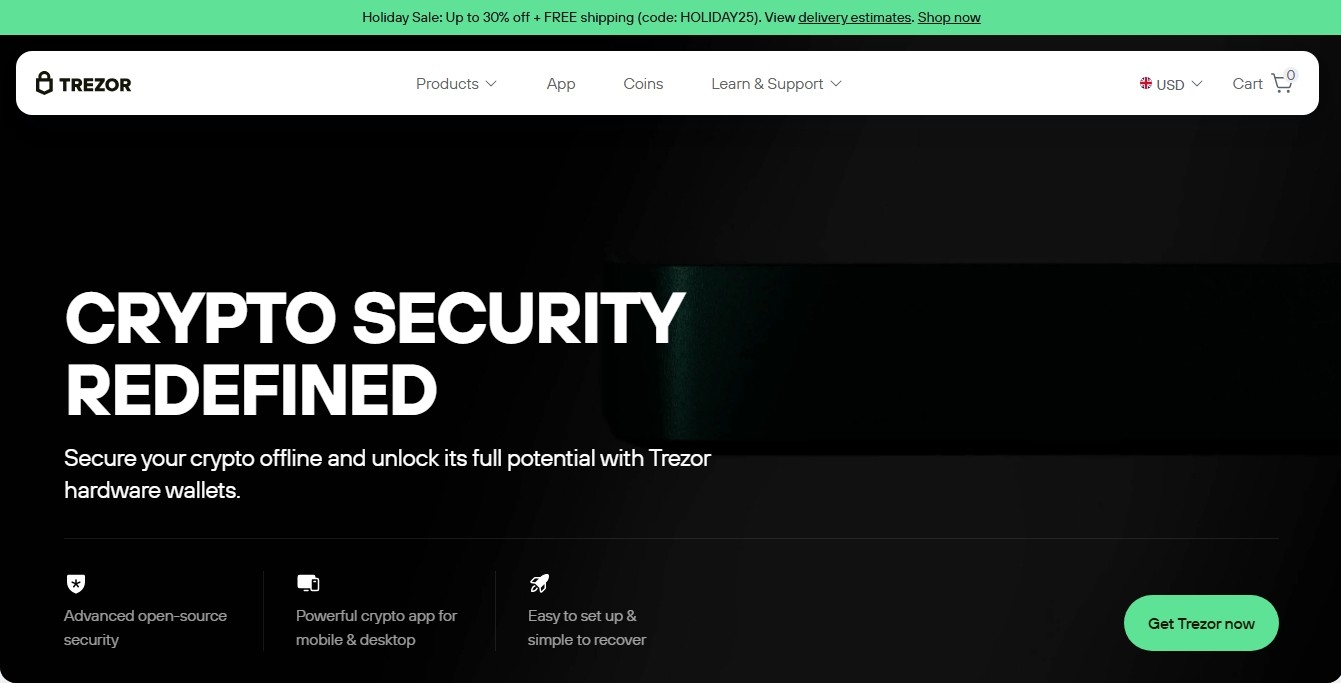
Trezor.io/Start – The Complete Guide to Securely Setting Up Your Trezor Wallet
As cryptocurrency adoption continues to grow, the importance of securely storing digital assets has never been greater. Unlike traditional banking, crypto transactions are irreversible, and losing access to your wallet can mean losing your funds forever. Trezor, one of the world’s leading hardware wallets, offers a secure solution for protecting cryptocurrencies. Trezor.io/start is the official starting point for setting up your Trezor device safely, ensuring that your digital assets remain under your control.
This guide will provide a comprehensive walkthrough of Trezor.io/start, covering device setup, recovery seed management, account configuration, security best practices, and advanced features, helping both beginners and experienced users get the most out of their Trezor wallet.
What Is Trezor.io/Start?
Trezor.io/start is the official onboarding page provided by SatoshiLabs, the company behind Trezor hardware wallets. It is designed to guide users step by step through the setup and secure use of their Trezor device. The page ensures that you:
Access verified instructions for your specific Trezor model
Download the official Trezor Suite application safely
Initialize your device securely
Understand how to protect your recovery seed and private keys
Avoid phishing attacks and fraudulent websites
By starting at Trezor.io/start, you ensure that your wallet setup follows the official, secure process recommended by Trezor, reducing the risk of human error or malicious interference.
Why Trezor.io/Start Is Essential
Many cryptocurrency losses are caused not by flaws in blockchain technology, but by human error, phishing scams, and malware. Trezor.io/start addresses these risks by providing:
Verified software downloads: Only official Trezor Suite applications are recommended.
Step-by-step setup guidance: Ensures your device is initialized securely.
Recovery seed education: Helps you understand how to safely store the 12-, 18-, or 24-word recovery seed.
Device security best practices: Protects against unauthorized access and theft.
Using Trezor.io/start is a critical step to safeguard your crypto assets from common threats.
Getting Started With Trezor.io/Start
The Trezor.io/start onboarding process is simple yet secure, guiding you through each step needed to set up your hardware wallet.
Step 1: Select Your Trezor Device
When visiting Trezor.io/start, the first step is to select your device:
Trezor Model One – a highly secure and reliable wallet for beginners.
Trezor Model T – a more advanced wallet with additional features, such as a touchscreen.
Selecting the correct model ensures you receive tailored instructions specific to your device.
Step 2: Download Trezor Suite
Trezor Suite is the official application used to manage your hardware wallet and interact with the blockchain. Features include:
Account management for multiple cryptocurrencies
Sending and receiving crypto securely
Firmware updates for your device
Portfolio tracking and transaction history
Integration with decentralized applications (dApps)
Trezor.io/start provides safe download links for desktop and mobile platforms, including Windows, macOS, Linux, Android, and iOS. Always download Trezor Suite from the official source to avoid counterfeit software.
Step 3: Initialize Your Trezor Device
Initializing your device is a critical security step. The process includes:
Setting a PIN code: Protects your device from unauthorized access.
Generating a recovery seed: The recovery seed is a 12-, 18-, or 24-word phrase that allows you to restore your wallet if the device is lost or stolen.
Confirming your recovery seed: Ensures you have recorded the phrase accurately.
Trezor devices generate recovery seeds offline, preventing exposure to online threats or malware.
Understanding the Recovery Seed
Your recovery seed is the most important element of your Trezor wallet. It is the only way to restore access to your funds in case of device loss, damage, or theft.
Important recovery seed rules:
Never store the seed digitally or online
Never photograph or screenshot it
Never share it with anyone, including individuals claiming to be Trezor support
Trezor staff will never ask for your recovery seed
Anyone with access to your recovery seed has full control over your cryptocurrency. Treat it as your most valuable asset.
Adding Cryptocurrency Accounts
Once your Trezor device is set up, Trezor Suite allows you to manage multiple cryptocurrency accounts. Supported cryptocurrencies include:
Bitcoin (BTC)
Ethereum (ETH) and ERC-20 tokens
Litecoin (LTC)
Bitcoin Cash (BCH)
Cardano (ADA)
Solana (SOL)
Polygon (MATIC)
Each blockchain may require installing a specific app on your Trezor device, which Trezor Suite handles safely, keeping your private keys offline at all times.
Sending and Receiving Cryptocurrency
Receiving Crypto
Open Trezor Suite and select the cryptocurrency you wish to receive.
Generate a receiving address.
Verify the address on your Trezor device.
Share the address with trusted sources only.
Sending Crypto
Enter the recipient’s wallet address in Trezor Suite.
Confirm transaction details carefully.
Authorize the transaction physically on your Trezor device.
This two-step verification ensures that even if your computer is compromised, your funds cannot be accessed without device confirmation.
Long-Term Security Practices
Trezor.io/start emphasizes that security is an ongoing process. Best practices include:
Store your Trezor device in a safe location
Keep your PIN private
Keep your recovery seed offline and secure
Regularly update Trezor Suite and device firmware
Avoid phishing emails, websites, or messages pretending to be Trezor
By following these practices, you minimize the risk of theft or accidental loss.
Advanced Features of Trezor
Trezor is not just a wallet; it’s a gateway to advanced cryptocurrency functionality. Users can:
Interact safely with decentralized finance (DeFi) platforms
Store and manage non-fungible tokens (NFTs)
Connect to Web3 applications securely
Integrate with third-party wallets like MetaMask
Trezor ensures that your private keys remain offline, even when interacting with these advanced blockchain services.
Common Mistakes Trezor.io/Start Helps Prevent
Following Trezor.io/start helps users avoid errors that can lead to crypto loss:
Installing unofficial Trezor Suite apps
Initializing a pre-used or tampered device
Entering the recovery seed online
Falling for phishing scams
Sending crypto without verifying addresses on the device
Avoiding these mistakes protects your assets from common threats.
Why Trezor Is Trusted Worldwide
Millions of users globally rely on Trezor to secure their cryptocurrency. Trezor wallets use robust security architectures, including Secure Element chips and offline key storage. Every transaction requires physical confirmation, preventing unauthorized access. Trezor.io/start demonstrates the company’s commitment to transparency, education, and security-first design.
Final Thoughts on Trezor.io/Start
Trezor.io/start is more than a simple setup guide—it is the foundation for secure cryptocurrency ownership. By following this official onboarding process, users can:
Initialize their device safely
Protect and securely store their recovery seed
Manage multiple cryptocurrency accounts
Interact with advanced blockchain applications securely
Key takeaways:
Always begin your setup at Trezor.io/start
Follow each step carefully
Keep your recovery seed private and offline
Download Trezor Suite only from official sources
Starting your cryptocurrency journey at Trezor.io/start ensures maximum security, peace of mind, and a safe foundation for managing your digital assets.